Yiwu Shengying Trading Co., Ltd.

Thin Waist Chain

What is Thin Waist Chain


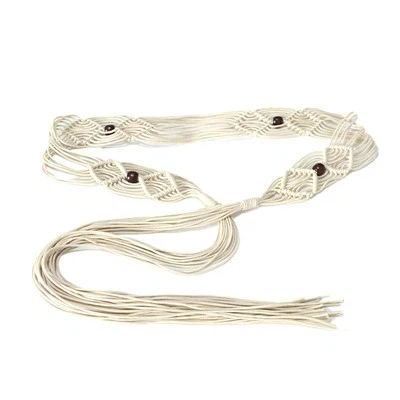
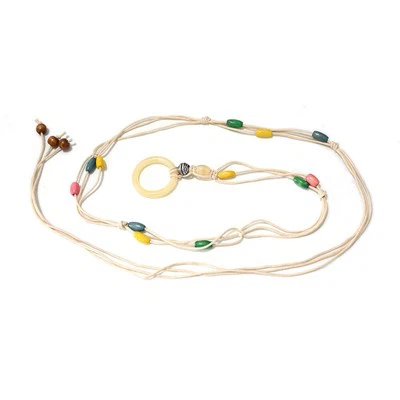
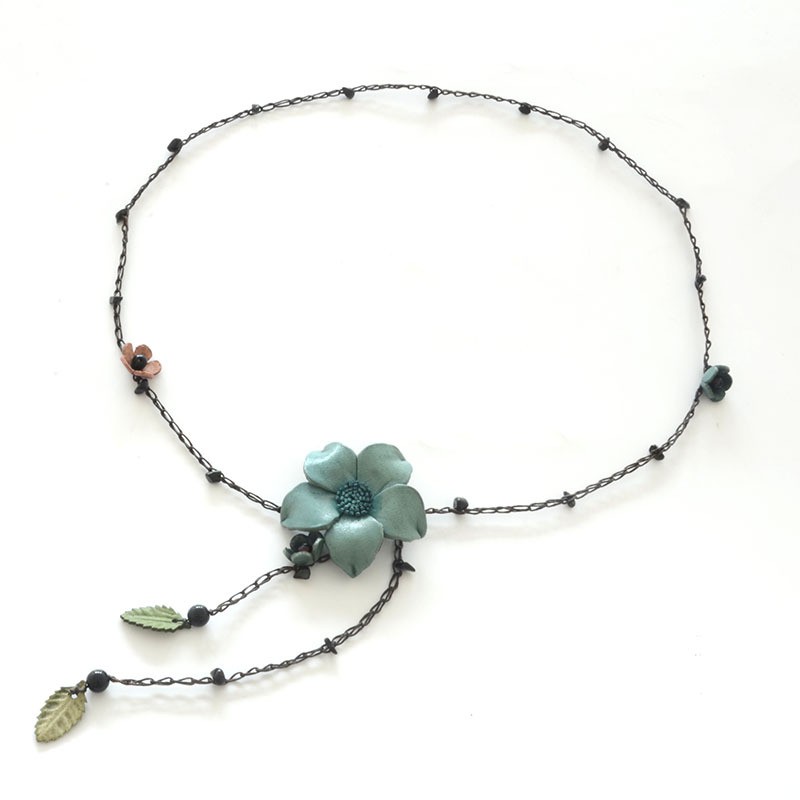
Thin waist chain is a delicate and stylish accessory that adds a touch of elegance to one's attire. Often crafted from fine materials such as metal or delicate chains, a thin waist chain is designed to gracefully encircle the waist, creating a subtle yet captivating adornment. The slim and dainty nature of the waist chain allows for versatility, making it suitable for various occasions, from casual outings to more formal events. Some thin waist chains may feature intricate designs, including minimalist charms or subtle embellishments, enhancing their aesthetic appeal. Worn either over clothing or as a discreet accessory beneath garments, the thin waist chain accentuates the natural curves of the waist, offering a subtle and refined accent to one's overall look. Its understated beauty makes it a popular choice for those seeking a graceful and feminine accessory to enhance their style. Whether paired with dresses, skirts, or even high-waisted pants, a thin waist chain embodies simplicity and sophistication, contributing to a timeless and fashionable appearance.


Advantages of Thin Waist Chain

Subtle elegance

A thin waist chain adds a touch of subtle elegance to an outfit. Its delicate design provides a refined and understated accessory that enhances the overall look without being overpowering.

Versatility in styling

Thin waist chains are versatile and can be easily paired with a variety of outfits, including dresses, skirts, and high-waisted pants. Their simplicity allows for effortless integration into different styles and occasions.

Accentuates the waist

One of the primary advantages is that a thin waist chain accentuates the natural curves of the waistline. It draws attention to this area, creating a flattering and feminine silhouette.

Layering potential

Thin waist chains are ideal for layering with other accessories. They can be paired with belts, larger statement jewelry, or layered waist chains to create a customized and stylish look.

Why Choose Us


High quality

Our products are manufactured or executed to a very high standard, using the finest materials and manufacturing processes.


Professional team

Our professional team collaborates and communicates effectively with each other, and is dedicated to delivering high quality results. We are capable of handling complex challenges and projects that require our specialized expertise and experience.


Advanced equipment

A machine, tool or instrument designed with advanced technology and functionality to perform highly specific tasks with greater precision, efficiency and reliability.


24H online service

We try and respond to all concerns within 24 hours and our teams are always at your disposal in case of any emergencies.

 
What Is the Typical Length of Thin Waist Chain

The typical length of a thin waist chain can vary based on personal preference, style, and the specific design of the chain. However, thin waist chains are generally crafted to be longer than traditional necklaces to accommodate the waist circumference. Here are some general guidelines:

Standard length

A standard length for a thin waist chain is often around 30 to 36 inches (76 to 91 cm). This length allows the chain to comfortably encircle the waist and may provide some room for adjustability.

01

Adjustable chains

Many thin waist chains come with adjustable features, such as extension chains or multiple fastening points. This allows the wearer to customize the length according to their waist size and desired fit.

02

Customization

Some waist chains are designed to be customizable, allowing the wearer to choose the length based on their preferences. Custom-made or adjustable waist chains are versatile options that cater to individual styles.

03

Body chain variations

Thin waist chains are sometimes part of body chain designs that extend beyond the waist to include additional draped chains that may reach the hips or lower. In such cases, the total length of the body chain becomes a key consideration.

04

Layering

Fashion trends may also influence the length of thin waist chains. Some individuals may prefer longer chains for a layered or bohemian look, while others may opt for shorter, more discreet styles.

05

What Metals Are Commonly Used to Craft Thin Waist Chains


Sterling silver

Sterling silver is a popular choice for waist chains due to its lustrous appearance and affordability. It is an alloy composed of 92.5% silver and 7.5% other metals, usually copper. Sterling silver waist chains can be delicate and elegant.

Gold (Yellow, White, or Rose)

Gold is a classic and luxurious metal choice for waist chains. Yellow gold, white gold, and rose gold are popular variations. The karatage of the gold determines its purity, with 14K and 18K being common choices. Gold waist chains can range from dainty to bold.

Gold vermeil

Gold vermeil involves a thick layer of gold electroplated over sterling silver. This provides the appearance of gold at a more affordable price point. Gold vermeil waist chains offer a balance between elegance and cost-effectiveness.

Stainless steel

Stainless steel is valued for its durability, corrosion resistance, and affordability. It is a popular choice for those seeking a more robust and budget-friendly option. Stainless steel waist chains are also resistant to tarnish.

Titanium

Titanium is known for its strength, light weight, and resistance to corrosion. Although less common, titanium waist chains can be an excellent choice for those with metal sensitivities or those looking for a modern and durable option.

Brass

Brass is an alloy of copper and zinc, known for its warm, golden color. Brass waist chains can offer an affordable alternative to gold and can be suitable for those who appreciate the vintage or antique appearance.

Copper

Copper is a malleable and durable metal with a reddish-brown hue. While less common for waist chains, some individuals may appreciate the distinctive look of copper. Keep in mind that copper can tarnish over time.

Aluminum

Aluminum is a lightweight metal that is often chosen for its affordability and versatility. While not as common for fine jewelry, aluminum waist chains can be an option for those seeking a lightweight and budget-friendly accessory.

Can Thin Waist Chain Be Adjusted for Different Waist Sizes

Yes, many thin waist chains are designed to be adjustable, allowing for flexibility in accommodating different waist sizes. The adjustability is typically achieved through features such as extension chains, multiple fastening points, or a customizable length. Here are some common ways thin waist chains can be adjusted for different waist sizes:


Extension chains
Waist chains often come with extension chains at the clasp, allowing the wearer to increase or decrease the length of the chain by a few inches. This extension chain provides versatility and makes it easier to achieve a comfortable fit.


Multiple fastening points
Some waist chains have multiple fastening points along the chain, allowing the wearer to choose the point that best fits their waist size. This design enables a more customized and adjustable fit.

Lobster clasps with rings

Waist chains featuring lobster clasps and rings provide the option to attach the clasp to different rings along the chain. This allows for minor adjustments to the length, catering to various waist sizes.

Customizable length

Certain waist chains are designed to be customizable, either by the wearer or through professional adjustment. This customization may involve removing or adding links to achieve the desired length for the specific waist size.

Adjustable buckles or sliders

Some waist chains incorporate buckles or sliders that can be adjusted to change the length of the chain. This design allows for easy customization without the need for additional tools.


How Do You Prevent a Thin Waist Chain from Getting Caught on Clothing
Long Leather Waist Chain In Big Size
Soft Genuine Leather Waist Chain
Heavy Duty Leather Waist Chain
Modern Gold Chain Waist for Pants

Tuck in loose ends
If your thin waist chain has loose ends, ensure they are securely tucked in. Loose chains are more likely to catch on fabric.


Wear smooth fabrics
Opt for clothing made from smooth fabrics to reduce the chances of the waist chain catching on textured or rough materials.


Layer wisely
Be mindful of layering. Avoid wearing garments with embellishments or textures that could easily snag the waist chain. Opt for simple and smooth fabrics.


Avoid excessively loose clothing
Clothing that is excessively loose may increase the chances of the waist chain catching. Choose well-fitted clothing to minimize potential snags.


Wear inside the garment
If possible, wear the thin waist chain inside your clothing. This can provide an added layer of protection and reduce the risk of it catching on external fabrics.


Secure with clothing accessories
Use accessories like fashion tape or garment weights to secure the waist chain in place, especially if it tends to shift or move during wear.


Be mindful during dressing/undressing
Exercise caution when putting on or taking off clothing. Take a moment to adjust the placement of the waist chain to ensure it is not caught in the process.


Avoid rough surfaces
Be cautious when around rough or abrasive surfaces. Avoid leaning against walls or rough furniture that could potentially catch the waist chain.


Choose a low-profile clasp
Opt for a low-profile clasp or closure on the thin waist chain. Bulky or protruding clasps are more likely to catch on clothing.


Regularly check for damage
Periodically check the condition of your thin waist chain for any signs of damage, such as bent links or weakened areas. Address any issues promptly to prevent further snags.


Avoid excessive movement
Be mindful of excessive movement or activities that might cause the waist chain to swing or dangle excessively, increasing the risk of catching on clothing.

Can Thin Waist Chain Be Used for Men's Fashion

While thin waist chains have historically been more associated with women's fashion, there is a growing trend of incorporating waist chains into men's fashion. The use of waist chains for men can add a stylish and unique element to various outfits. Here are some considerations for incorporating thin waist chains into men's fashion:


Style and design

Choose a thin waist chain with a simple and versatile design. Men's waist chains often feature minimalist aesthetics without elaborate embellishments, allowing them to seamlessly integrate into different styles.


Material

Opt for materials that align with men's fashion preferences. Metals such as stainless steel, titanium, or leather are popular choices for men's waist chains. Consider the overall look you want to achieve, whether it's modern, edgy, or classic.


Size and length

Ensure that the size and length of the waist chain are suitable for the intended wearer. Men's waist chains typically have longer lengths to accommodate the broader waist and hip structure. Adjustable features can provide flexibility in sizing.


Casual or formal wear

Thin waist chains can be worn with both casual and formal attire, depending on the design and materials. A subtle and understated waist chain can add a touch of sophistication to formal wear, while a more rugged design may complement casual outfits.


Layering

Consider layering the waist chain with other accessories such as bracelets or necklaces to create a cohesive and stylish look. Pay attention to the overall balance and avoid excessive accessories to maintain a subtle and refined appearance.


Confidence in styling

Wearing a waist chain requires confidence in styling. Experiment with different outfits and find ways to incorporate the waist chain that align with your personal style. It can be a bold fashion statement, so embrace the accessory with confidence.


Versatility

Thin waist chains can be versatile accessories that work well with various clothing styles, from streetwear to more formal ensembles. Consider how the waist chain complements your overall fashion aesthetic.


Personal expression

Men's fashion is becoming increasingly diverse, allowing for greater self-expression. If you feel comfortable and confident wearing a thin waist chain, it can be a unique way to showcase your personal style.

How Does a Thin Waist Chain Differ from Traditional Belt


1. Design and aesthetics

Thin Waist Chain: Typically, a thin waist chain is a delicate and often decorative accessory. It is characterized by a slender chain or band that encircles the waist, offering a more subtle and refined appearance. Thin waist chains may feature minimalistic designs, charms, or intricate detailing.
Traditional Belt: A traditional belt is usually wider and more utilitarian in design. It is crafted from a variety of materials, including leather, fabric, or synthetic materials. Traditional belts are often more functional, designed to secure pants or skirts and provide a structured look.

2. Width and thickness

Thin Waist Chain: As the name suggests, a thin waist chain is characterized by its slim and delicate profile. The chain or band is narrow, contributing to a lightweight and subtle accessory.
Traditional Belt: Traditional belts come in various widths and thicknesses. They can range from narrow dress belts to wider statement belts. The width of a traditional belt is often more substantial compared to a thin waist chain.

3. Materials

Thin Waist Chain: Common materials for thin waist chains include various metals such as stainless steel, sterling silver, or gold. These chains may also incorporate other decorative elements, such as beads or charms.
Traditional Belt: Traditional belts can be made from a wide range of materials, including leather, canvas, fabric, or synthetic materials. The choice of material can significantly impact the overall style and function of the belt.

4. Functionality

Thin Waist Chain: While thin waist chains can add a touch of style to an outfit, their primary function is often decorative. They may not be as effective at providing the structural support needed to secure bottoms as traditional belts.

Traditional Belt: The primary function of a traditional belt is to secure pants, skirts, or other bottoms around the waist. Traditional belts offer both a functional and fashionable aspect, providing support and shaping the overall silhouette.

5. Occasions and styles

Thin Waist Chain: Thin waist chains are often associated with more elegant or casual occasions. They can be worn to enhance a dress, skirt, or other feminine outfits, adding a touch of sophistication.
Traditional Belt: Traditional belts are versatile and can be worn in various settings, including casual, business, or formal occasions. They come in styles that cater to different fashion preferences and outfit types.

6. Versatility

Thin Waist Chain: Thin waist chains are generally more versatile in terms of styling and can be worn in a variety of ways, including as a high-fashion accessory or a subtle complement to an outfit.
Traditional Belt: Traditional belts are versatile in terms of functionality, offering different widths and styles for various occasions. They are a staple accessory in many wardrobes for both men and women.


Are There Different Closure Mechanisms for Thin Waist Chains


Yes, thin waist chains can have various closure mechanisms, and the choice often depends on the design, style, and intended use of the chain. Here are some common closure mechanisms for thin waist chains:


Spring ring clasp
A small, circular clasp with a spring mechanism that opens and closes. It is a common and secure closure for thin waist chains.


Lobster claw clasp
Similar to a spring ring clasp but with a different shape. It has a small spring-loaded "lobster claw" that opens and closes, providing a secure closure.


Toggle clasp
Consists of a bar that is threaded through a circular loop. This type of clasp can add a decorative element to the front of the waist chain.


Magnetic Clasp
Uses magnets to connect the two ends of the chain. While convenient, it may not be as secure as other types of clasps.


Hook and eye clasp
Features a small hook on one end and a loop (eye) on the other. The hook is inserted into the loop to secure the waist chain.


Slide clasp
Involves a small piece that slides into a groove, securing the ends together. This can provide a seamless look without a visible clasp.


S-hook clasp
Resembles the letter "S" and involves hooking one end through a loop to secure the chain. It's a simple and functional closure.


Box clasp
A box clasp has a small box-shaped piece that fits into another box-shaped piece, creating a secure closure. It is often used for more intricate or decorative waist chains.


Beaded or toggle loop closure
The waist chain may have a loop made of beads or a toggle mechanism that connects to a bar or ring, providing a decorative closure.


Snap clasp
Involves a small snap mechanism that clicks into place when the ends of the waist chain are brought together.


Infinity symbol clasp
A decorative closure shaped like the infinity symbol (∞) that adds a unique and stylish touch to the waist chain.


Adjustable chain with slider
Some waist chains have an adjustable chain with a slider mechanism, allowing the wearer to customize the fit without a traditional clasp.


Can a Thin Waist Chain Be Worn During Physical Activities
Gold Chain On Waist
Plus Size Gold Waist Chain
Modern Gold Chain Waist for Pants
Thin Gold Belly Chain

Material and durability
Consider the material of the waist chain. Chains made of durable materials such as stainless steel or titanium may withstand physical activities better than delicate chains made of precious metals. Sturdier materials are less prone to breakage or damage during movement.


Design and construction
Assess the design and construction of the waist chain. If it has intricate details, charms, or components that may catch on clothing or equipment, it may not be suitable for certain physical activities.


Adjustability
An adjustable waist chain with features like extension chains or multiple fastening points may be more versatile and adaptable to different activities and body movements.


Comfort and flexibility
Consider the comfort and flexibility of the waist chain. Activities that involve bending, twisting, or dynamic movements may require a waist chain that flexes with the body's motions without causing discomfort.


Secure closure
Ensure that the closure mechanism (clasp, buckle, etc.) is secure and reliable. A secure closure is essential to prevent the waist chain from accidentally coming undone during physical activities.


Weight
Consider the weight of the waist chain. Lighter-weight chains may be more comfortable during activities that involve a lot of movement, while heavier chains might feel cumbersome.


Intensity of activity
Assess the intensity of the physical activity. Low-impact activities such as walking or yoga may be more conducive to wearing a waist chain than high-impact activities like running or weightlifting.


Metal sensitivity
If you have metal sensitivities or allergies, choose a waist chain made from hypoallergenic materials to avoid skin irritation during physical activities.


Versatility
Some waist chains are designed to be versatile and suitable for both everyday wear and physical activities. Consider a design that seamlessly transitions from casual to active settings.


Personal preference
Ultimately, whether to wear a thin waist chain during physical activities is a personal choice. Some individuals may prefer to remove accessories entirely during workouts for comfort and safety, while others may feel comfortable wearing certain types of waist chains.


How to Choose Thin Waist Chain
1

Material
Decide on the material that suits your taste and complements your wardrobe. Common materials for thin waist chains include sterling silver, gold, stainless steel, titanium, and even leather or fabric. Consider factors such as durability, skin sensitivity, and personal style.


2

Color and finish
Choose a color and finish that complements your preferred style. Whether you prefer classic silver or gold tones, or something more unconventional like black or rose gold, the color and finish contribute to the overall aesthetic.


3

Design and style
Consider the design of the thin waist chain. Whether you prefer a minimalist look with simple chain links or a design with subtle charms or pendants, find a style that resonates with your personal taste. Consider how the design complements your clothing.


4

Adjustability
Opt for a waist chain with adjustable features, such as extension chains or multiple fastening points. Adjustability ensures that the chain can be tailored to your specific waist size, providing a comfortable fit.


5

Comfort
Prioritize comfort when choosing a waist chain. Ensure that the edges are smooth, and the material feels comfortable against your skin. If the chain has charms or pendants, make sure they don't cause discomfort during wear.


6

Closure mechanism
Pay attention to the closure mechanism. Whether it's a lobster clasp, spring ring, or another type of closure, ensure that it is secure and easy to fasten. A reliable closure prevents the chain from accidentally coming undone.


7

Length
Consider the length of the waist chain. Choose a length that feels comfortable and complements your body proportions. Adjustable features can be beneficial if you plan to wear the chain at different points on your waist.


8

Versatility
Think about the versatility of the waist chain. Choose a design that can transition seamlessly from casual to more formal occasions. A versatile waist chain allows you to integrate it into various outfits.


9

Maintenance
Consider the maintenance requirements of the waist chain. Some materials may require more care than others. Check if the chain comes with specific care instructions, especially if it involves precious metals or unique finishes.


The Production Process of Thin Waist Chain
 
01/

Material selection
The first step involves choosing the material for the thin waist chain. Common materials include metals such as sterling silver, gold, stainless steel, or titanium. Some waist chains may also incorporate non-metal materials like leather or fabric.

02/

Design concept and prototyping
The design concept is created based on the intended style and aesthetic. Designers may sketch ideas or use computer-aided design (CAD) software to create a digital prototype. This phase allows for refining the design before moving to production.

03/

Material preparation
If the waist chain involves metal components, the chosen metal is prepared for manufacturing. This may involve melting and alloying metals, casting, or forming metal sheets into the desired shape.

04/

Chain formation
The chain links are formed according to the design specifications. This can be done through various methods, including wire drawing, where metal wires are drawn through dies to achieve the desired thickness and shape.

05/

Link assembly
The individual chain links are assembled to form the complete chain. This may involve connecting links using jump rings, soldering, or other methods to ensure a secure and durable connection.

06/

Adding charms or pendants
If the design includes charms or pendants, they are added to the chain. These elements are often attached at specific intervals to maintain a balanced and aesthetically pleasing arrangement.

07/

Adjustability features
If the waist chain is designed to be adjustable, features such as extension chains, multiple fastening points, or customizable lengths are incorporated at this stage.

08/

Clasp attachment
The closure mechanism, such as a lobster clasp, spring ring, or buckle, is attached to the ends of the chain. The clasp is an essential component for securing the waist chain when worn.

09/

Finishing
The waist chain undergoes various finishing processes to achieve the desired appearance. This may include polishing to create a high-shine finish, applying matte or brushed finishes, or oxidizing for an antique look.

10/

Quality control
Each waist chain undergoes quality control checks to ensure that it meets the design specifications and quality standards. This includes inspecting for defects, checking the functionality of the clasp, and verifying the overall craftsmanship.


What You Should Know When Use Thin Waist Chain
Long Silver Adjustable Thin Waist Chain
Elastic Soft Gold Thin Waist Chain
Dark Navy Thin Waist Chain for Dress
Elastic Leather Thin Waist Chain

Proper sizing
Ensure that the waist chain is sized appropriately for your waist. If the chain is adjustable, use the extension chain or choose the correct fastening point to achieve a comfortable fit. Avoid wearing it too tightly or loosely.


Material care
Different materials require different care. Follow care instructions provided by the manufacturer to maintain the quality of the waist chain. For example, precious metals like silver or gold may require polishing to maintain their luster.


Avoid excessive force
Be gentle when handling the waist chain to avoid bending or kinking the delicate links. Avoid pulling or applying excessive force, especially if the chain has charms or pendants that could snag on clothing.


Consider the outfit
Thin waist chains are versatile accessories that can enhance various outfits. Consider the style and color of your clothing when choosing to wear a waist chain. It can be worn over dresses, skirts, or even high-waisted pants.


Layering with other accessories
Experiment with layering the waist chain with other accessories such as bracelets, necklaces, or anklets to create a cohesive and stylish look. Ensure that the overall combination complements your outfit.


Remove during physical activities
While some waist chains may be suitable for light physical activities, it's generally advisable to remove them during more intense activities or workouts. This helps prevent damage to the chain and ensures your comfort.


Adjust for different waistlines
If you plan to wear the waist chain at different points on your waist or hips, utilize any adjustability features, such as extension chains, to achieve the desired length for different waistlines.


Secure closure
Ensure that the clasp or closure mechanism is securely fastened. Regularly check the closure to avoid accidental detachment, especially if the waist chain features a delicate or intricate design.


Avoid contact with harsh chemicals
Avoid exposing the waist chain to harsh chemicals, perfumes, or cosmetics, as these substances can tarnish or damage certain materials. Put on the waist chain after applying lotions or fragrances.


Store properly
Store the waist chain in a cool, dry place when not in use. Use a jewelry box or pouch to prevent tangling with other accessories. Consider hanging the waist chain on a padded hanger to maintain its shape.


How to Maintain Thin Waist Chain


Avoid exposure to harsh chemicals
Remove the waist chain before applying lotions, perfumes, or hairsprays, as these products can tarnish or damage the metal. Also, avoid exposure to harsh chemicals, including household cleaners.


Store properly
When not wearing the waist chain, store it in a dry and cool place. Use a jewelry box or pouch to prevent scratches and tangles. Avoid exposing it to direct sunlight, as this can cause fading.


Clean regularly
Clean the waist chain regularly to remove dirt, oils, and any tarnish. Use a soft, damp cloth to wipe the chain gently. For more thorough cleaning, use a mild jewelry cleaner suitable for the metal type.


Inspect for damage
Regularly inspect the waist chain for any signs of damage, such as broken links or loose clasps. Address any issues promptly to prevent further damage or loss.


Avoid excessive pulling or tugging
Be gentle when putting on or taking off the waist chain. Avoid excessive pulling or tugging, as this can weaken the links or clasps over time.


Take off during physical activities
Remove the waist chain before engaging in strenuous physical activities, sports, or workouts to prevent damage. Sweat and movement can contribute to wear and tear.


Protect from abrasive surfaces
Be cautious when around abrasive surfaces or materials that can scratch or damage the waist chain. Avoid leaning against rough walls or surfaces.


Check clasps regularly
Check the clasp or closure regularly to ensure it is secure. If the waist chain has a spring ring, lobster claw, or other types of clasps, make sure they function properly.


Avoid water exposure
Remove the waist chain before swimming, bathing, or participating in water activities. Prolonged exposure to water can tarnish certain metals and may weaken the structure.


Polish when necessary
If the waist chain starts to tarnish, use a jewelry polishing cloth to restore its shine. Follow the manufacturer's recommendations for polishing based on the metal type.


Prevent knots or tangles
When storing the waist chain, ensure it is untangled to prevent knots. Store it in a way that minimizes contact with other jewelry to avoid scratching.


Adjust with care
If the waist chain has an adjustable length, adjust it with care. Avoid pulling or forcing the chain to prevent damage to the slider or clasp mechanism.


FAQ
 

Q: What is a Thin Waist Chain?

A: A Thin Waist Chain is a delicate, narrow accessory designed to be worn around the waist. It usually features a simple design and is made from materials like gold, silver, or platinum, often adorned with small charms or pendants.

Q: How Do I Choose the Right Thin Waist Chain?

A: Consider the length, width, and material of the chain, as well as the occasion and your personal style. Ensure it complements your clothing and flatters your figure.

Q: What Materials are Thin Waist Chains Made From?

A: Thin Waist Chains are typically made from precious metals like gold, silver, or platinum, and sometimes include gemstones or other decorative elements.

Q: How Do I Measure for a Thin Waist Chain?

A: Use a flexible measuring tape to measure the desired area around your waist. Add a small margin for comfort and adjust accordingly.

Q: How Do I Care for my Thin Waist Chain?

A: Clean it gently with a soft cloth and mild soap solution. Store it separately to prevent tangling and scratches, and avoid contact with chemicals and perfumes.

Q: Can I Wear a Thin Waist Chain Every Day?

A: Absolutely! Thin Waist Chains are versatile and can be dressed up or down, making them ideal for everyday wear.

Q: How Do I Style a Thin Waist Chain with Different Outfits?

A: Pair it with a crop top or tucked-in shirt to highlight your waistline. For a more subtle look, wear it under a blazer or cardigan.

Q: Can Men Wear Thin Waist Chains?

A: Yes, men can wear thin waist chains as a stylish accessory. Choose a design that complements your personal style and wardrobe.

Q: Are Thin Waist Chains Adjustable?

A: Most Thin Waist Chains are not adjustable, so it's important to measure accurately before purchasing. Some designs may have a small amount of give, but this varies by brand and style.

Q: How Do I Prevent My Thin Waist Chain from Tangling?

A: Store it carefully, laying it flat or looping it gently around a jewelry organizer. Avoid tossing it in a drawer with other items.

Q: Can I Wear a Thin Waist Chain with Other Jewelry?

A: Yes, you can layer a Thin Waist Chain with other necklaces or body jewelry for a more dramatic look. Just make sure the overall effect is balanced and harmonious.

Q: Are Thin Waist Chains Appropriate for Workplace Attire?

A: This depends on your workplace culture and dress code. A simple, understated Thin Waist Chain can often be appropriate for a professional environment.

Q: How Do I Choose a Thin Waist Chain That Matches My Skin Tone?

A: Choose a metal color that complements your skin tone. Gold tends to look warmer, while silver and platinum are cooler. White gold is a good middle ground for most skin tones.

Q: Can I Wear a Thin Waist Chain While Swimming or Sunbathing?

A: It's generally not recommended to wear valuable jewelry like a Thin Waist Chain while swimming or sunbathing, as exposure to chlorine, saltwater, or sunscreen can damage it.

Q: How Do I Determine the Quality of a Thin Waist Chain?

A: Look for high-quality materials, craftsmanship, and attention to detail. Avoid cheap imitations and opt for reputable brands or sellers.

Q: What are the Most Popular Designs for Thin Waist Chains?

A: Simple gold or silver chains with small pendants or charms are always popular. Other trendy designs include multi-strand chains, barbed wire styles, and those with initial or zodiac sign pendants.

Q: Can I Wear a Thin Waist Chain with a Wedding Dress?

A: Yes, a Thin Waist Chain can be a beautiful addition to a wedding dress, especially if it complements the style and design of the gown. Just make sure it doesn't overshadow your bridal jewelry or detract from the overall look.

Q: How Do I Incorporate a Thin Waist Chain into My Everyday Wardrobe?

A: Pair it with casual jeans and a tee for a effortless chic look. For a more polished appearance, wear it with slacks and a blouse or dressier top.

Q: What is the Best Way to Store a Thin Waist Chain Long-Term?

A: Store it in a soft jewelry pouch or box lined with anti-tarnish paper or tissue. Keep it in a cool, dry place away from direct sunlight and heat sources.

Q: Can a Thin Waist Chain Be Repaired If It Breaks?

A: Depending on the extent of the damage, a Thin Waist Chain can often be repaired by a professional jeweler. However, if it's severely damaged or beyond repair, it may be best to replace it.

We're well-known as one of the leading thin waist chain manufacturers and suppliers in China. Please rest assured to buy cheap thin waist chain made in China here from our factory. For price consultation, contact us.

Thin Gold Waist Chain, Thin Gold Belly Chain, Elastic Leather Thin Waist Chain
goTop

(0/10)

clearall