Yiwu Shengying Trading Co., Ltd.

Silk Waistband

What is Silk Waistband


Silk waistband is luxurious and refined accessory that adds an elegant touch to various garments. Crafted from the fine and smooth fibers of silk, this waistband offers a blend of opulence and comfort. Silk, known for its natural sheen, soft texture, and breathability, provides a delightful feel against the skin. Silk waistbands are often used in upscale or formal attire, such as evening gowns, dresses, and tailored suits, where the goal is to enhance the overall aesthetic with a touch of sophistication.The use of silk in waistbands not only brings a sense of refinement but also provides a comfortable fit, allowing for ease of movement while maintaining a polished appearance. The versatility of silk allows for various design options, including different widths, colors, and even embellishments to complement the overall garment design. Additionally, silk's natural temperature-regulating properties make it suitable for a range of climates and seasons.


Advantages of Silk Waistband

Comfortable wear

Silk is known for its natural comfort. A silk waistband ensures a comfortable wearing experience, allowing the garment to gently rest against the skin without causing irritation or discomfort.

Breathability

Silk is a breathable fabric that allows air circulation, making it well-suited for waistbands. This breathability helps regulate body temperature, keeping the wearer cool in warm weather.


Versatility in styling

Silk waistbands are versatile and can be incorporated into a variety of garments. Whether used in lingerie, sleepwear, or formal attire, silk complements different styles, adding a touch of sophistication to various wardrobe pieces.

Durability and longevity

Despite its delicate appearance, silk is a strong and durable natural fiber. Silk waistbands contribute to the garment's overall durability, ensuring that it can withstand regular wear and maintain its quality over time.
Why Choose Us


High quality

Our products are manufactured or executed to a very high standard, using the finest materials and manufacturing processes.


Professional team

Our professional team collaborates and communicates effectively with each other, and is dedicated to delivering high quality results. We are capable of handling complex challenges and projects that require our specialized expertise and experience.


Advanced equipment

A machine, tool or instrument designed with advanced technology and functionality to perform highly specific tasks with greater precision, efficiency and reliability.


24H online service

We try and respond to all concerns within 24 hours and our teams are always at your disposal in case of any emergencies.


How Is a Silk Waistband Different from Other Types of Waistbands

Silk waistband differs from other types of waistbands in terms of the material used, characteristics, and the overall aesthetic it imparts to the garment. Here are some key distinctions between a silk waistband and other types of waistbands: 

1. Material

Silk Waistband: Crafted from silk, a natural fiber obtained from the cocoon of the silkworm. Silk is known for its luxurious feel, soft texture, and natural sheen.
Other Waistbands: Other waistbands can be made from various materials, including cotton, polyester, elastic, leather, or a combination of materials. Each material has its own set of characteristics and properties.

2. Luxurious aesthetic

Silk Waistband: Exudes a luxurious and sophisticated appearance. The natural luster of silk adds an elegant touch to the garment, making it suitable for formal or upscale attire.
Other Waistbands: The aesthetic of other waistbands varies depending on the material. For example, leather waistbands may convey a more rugged or edgy look, while elastic waistbands are often associated with casual or sporty styles.

3. Texture and feel

Silk Waistband: Offers a smooth and silky texture against the skin. Silk is renowned for its softness, providing a comfortable and pleasant feel.
Other Waistbands: The texture and feel of other waistbands depend on the chosen material. Cotton waistbands are known for their softness, leather may have a more tactile feel, and elastic can provide stretch and flexibility.

4. Temperature regulation

Silk Waistband: Exhibits natural temperature-regulating properties, making it comfortable in various climates. Silk helps keep the body cool in warm weather and retains warmth in colder conditions.
Other Waistbands: The temperature-regulating capabilities depend on the material. Some materials may provide better breathability, while others may offer insulation.

5. Versatility

Silk Waistband: While often associated with formal wear, silk waistbands can be versatile and complement a range of garment styles, from dresses and gowns to blouses and suits.
Other Waistbands: The versatility of other waistbands depends on the material and design. For example, elastic waistbands are commonly used in casual and activewear, while leather waistbands may be found in both casual and more upscale styles.

6. Care requirements

Silk Waistband: Requires delicate care, often recommended to be dry-cleaned or hand-washed with mild detergent in cold water. Special care is needed to preserve the delicate nature of silk.
Other Waistbands: Care instructions vary based on the material. Cotton and elastic may be machine-washable, while leather may require specific conditioning and care products.

7. Customization

Silk Waistband: Offers customization options in terms of color, width, and potential embellishments to enhance the overall design.
Other Waistbands: Customization options depend on the material. Leather may allow for embossing or unique finishes, while elastic can be available in various colors and widths.


Can Silk Waistbands Be Washed in Washing Machine
 

Washing a silk waistband in a washing machine is generally not recommended, as silk is a delicate and sensitive fabric that can be easily damaged by the mechanical action and harsh conditions of a washing machine. Silk fibers are prone to breakage, and exposure to agitation, high-speed spinning, and abrasive elements in a washing machine can lead to wrinkles, shrinkage, or even irreversible damage.

Instead, it is advisable to follow more gentle methods of cleaning to preserve the quality of silk, such as.

01/

Hand Washing
Fill a basin or sink with cold water.
Add a small amount of mild detergent formulated for delicate fabrics.
Gently agitate the water to create suds.
Submerge the silk waistband in the water and gently swish it around.
Allow it to soak for a short period, avoiding prolonged immersion.
Rinse the waistband thoroughly with cold water until all detergent is removed.

02/

Spot Cleaning
If there are localized stains or spots, spot cleaning with a mild detergent can be an option.
Use a clean, damp cloth or sponge and a small amount of detergent to gently blot the affected area.
Rinse with cold water to remove any residual detergent.

03/

Dry Cleaning
For more intricate or delicate silk items, consider professional dry cleaning, especially for garments with embellishments or complex designs.
Inform the dry cleaner about the specific care requirements for silk.

04/

Air Drying
After washing, avoid wringing or twisting the silk waistband.
Lay the garment flat on a clean, dry towel and gently roll it to absorb excess water.

How Do I Iron a Silk Waistband Without Damaging It


Before ironing, check the care label on the garment to ensure that it is suitable for ironing. Some silk blends or delicate silk fabrics may require alternative methods like steaming.


Wash the silk waistband
If the garment is dirty or wrinkled, gently hand wash or use a delicate cycle in the washing machine with a mild detergent. Allow it to air dry completely.


Prepare the ironing area
Set up your ironing board and ensure it is clean. Avoid using a dirty or stained ironing board, as this can transfer marks onto the silk.


Adjust the iron settings
Set your iron to a low or silk setting. If your iron has a specific silk setting, use it. The goal is to use minimal heat to prevent damaging the silk fibers.


Dampen the silk waistband
Lightly dampen the silk waistband with water. You can use a clean spray bottle to mist the fabric. This helps relax the fibers and makes ironing more effective.


Use a pressing cloth
Place a clean white cloth or pressing cloth over the silk waistband. This acts as a protective barrier between the iron and the delicate fabric, preventing direct contact.


Iron with care
Gently press the iron onto the pressing cloth, moving it in a smooth and continuous motion. Avoid using excessive pressure, and never leave the iron in one place for too long to prevent scorching.


Iron on the reverse side
If possible, iron the silk waistband on the reverse side. This helps to further protect the outer surface and maintain the sheen of the silk.


Pay attention to details
Be careful when ironing any embellishments, buttons, or zippers near the waistband. Iron around these details or use a pressing cloth to protect them.


Check for wrinkles
After ironing, check for any remaining wrinkles. If needed, repeat the process, focusing on the areas that require further attention.


Hang the garment
Once the silk waistband is smooth and wrinkle-free, hang the garment on a padded hanger to prevent additional wrinkles.


Can Silk Waistbands Be Adjusted After Being Sewn into Clothing

Adjusting a silk waistband after it has been sewn into clothing can be challenging, but it is possible in some cases depending on the construction and design of the garment. Here are some considerations and steps to keep in mind:


Elastic insertion

If the silk waistband incorporates an elastic element, there may be some flexibility in terms of adjustment. You may be able to release or tighten the elastic by opening a portion of the seam, making the necessary adjustments, and then re-sewing the seam.


Additional fabric

If there is extra fabric at the seams or waistband, you may have some room for adjustment. However, this depends on how the garment was initially constructed and whether there is enough seam allowance.


Seam ripper

Use a seam ripper to carefully remove stitches from the area that needs adjustment. Take your time and avoid damaging the fabric. This is commonly done at the side seams or where the waistband is attached to the garment.


Adjustment points

Identify specific points where the adjustment is needed. This could include the waistline, side seams, or any closure areas like zippers or buttons.


Re-marking

If the adjustment involves changing the size or shape of the waistband, re-mark the new measurements using fabric chalk or another suitable marking tool.


Re-sewing

Sew the adjusted area, ensuring that the stitches are secure and match the surrounding stitching. Use the appropriate thread and sewing techniques for silk fabric.


Finish seam edges

If you had to open seams, finish the edges using a serger or a zigzag stitch to prevent fraying. This step is especially important for silk, which can be prone to fraying.


Pressing

Carefully press the adjusted area using a cool iron. Always follow the care instructions for silk to avoid damaging the fabric.


Can Silk Waistbands Be Used in Formal Wear

Yes, silk waistbands are often used in formal wear, adding a touch of elegance and luxury to various garments. Silk is a high-quality and luxurious fabric that is well-suited for formal occasions due to its natural sheen, soft texture, and overall refined appearance. Here are some ways in which silk waistbands can be incorporated into formal wear:

1

Evening gowns and dresses
Silk waistbands can be featured on evening gowns and dresses, enhancing the overall sophistication of the garment. The smooth and lustrous surface of silk complements formal silhouettes, providing a polished and elegant look.


2

Suits and tuxedos
Formal suits and tuxedos often include silk waistbands, especially on trousers. A silk waistband on dress pants adds a subtle yet distinguished detail, contributing to the overall upscale aesthetic of the ensemble.


3

Cocktail dresses
For cocktail dresses or semi-formal attire, silk waistbands can be utilized to create a luxurious and stylish finish. The choice of silk adds a touch of glamour to the waistline, enhancing the overall appeal of the dress.


4

Ball gowns and red carpet attire
Silk waistbands are commonly found on elaborate ball gowns and red carpet attire. The use of silk in these settings conveys a sense of opulence and complements the formal and extravagant nature of such garments.


5

Wedding attire
Wedding dresses and bridal gowns may feature silk waistbands as part of the design. Silk's association with luxury and sophistication makes it a popular choice for bridal wear, adding a touch of timeless elegance.


6

Special occasion skirts
Skirts worn for special occasions, such as galas, fundraisers, or high-profile events, may incorporate silk waistbands to elevate the overall look. Silk's drape and sheen contribute to a refined and polished appearance.


7

Formal blouses and tops
In some formal blouses or tops, silk waistbands may be used to create a cohesive and sophisticated ensemble. This application is common in two-piece formal outfits.

Can Silk Waistbands Be Dyed
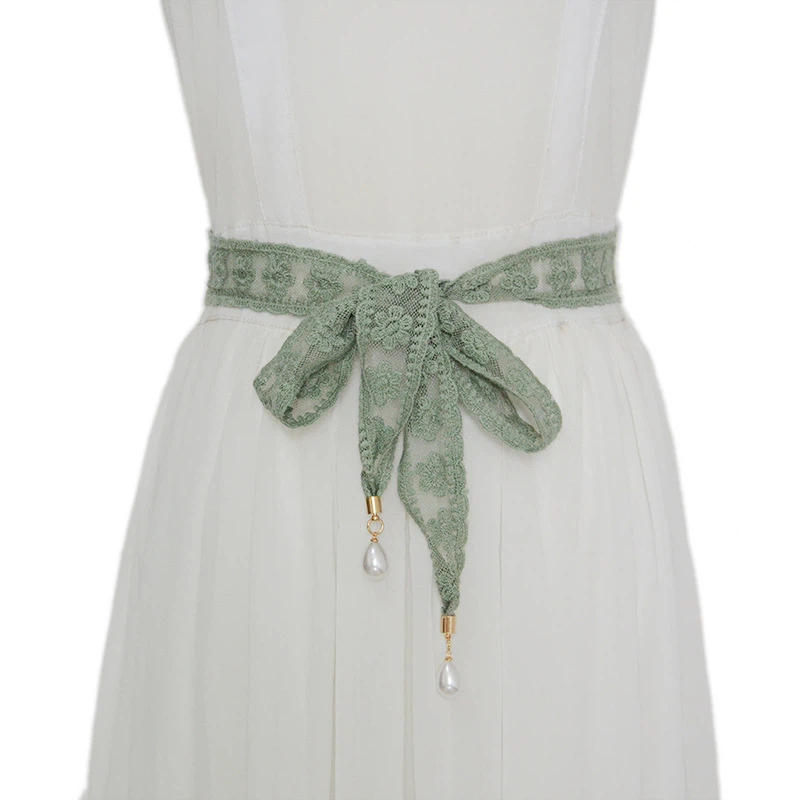
Soft and Long Strap Waistband
Black Elastic Strap Waistband for Dress
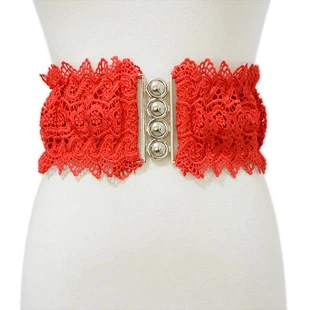
Tight Strap Waistband for Skirt
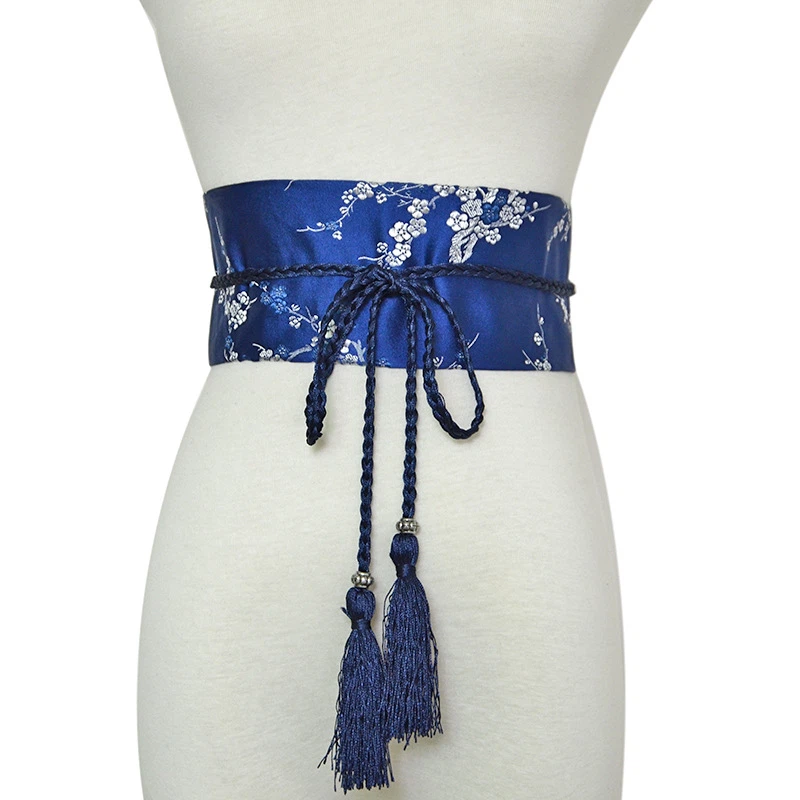
Comfortable Glitter Silk Waistband

Type of dye
Choose a dye that is suitable for silk. Acid dyes and fiber-reactive dyes are commonly used for silk fabrics. Make sure the dye is appropriate for the specific type of silk used in the waistband.


Pre-washing
Wash the silk waistband thoroughly before dyeing to remove any finishes, sizing, or impurities. This helps the dye adhere more evenly to the fabric.


Test on a swatch
Before dyeing the entire waistband, conduct a color test on a small silk swatch to ensure that you achieve the desired color. This allows you to assess how the silk reacts to the dye.


Follow dyeing instructions
Strictly follow the dyeing instructions provided by the dye manufacturer. Different dyes may have varying application methods, and it's essential to adhere to the recommended processes.


Temperature control
Silk is sensitive to heat, so it's crucial to control the dyeing temperature. Avoid exposing silk to high temperatures that may cause damage or affect the fabric's integrity.


Avoid agitation
Silk is delicate, and excessive agitation can lead to damage or distortion. Minimize stirring or agitation during the dyeing process to prevent unnecessary stress on the fabric.


Color intensity
Achieving the desired color intensity may require adjusting the dye concentration and immersion time. Follow the dye manufacturer's guidelines for achieving the desired shade.


Rinse thoroughly
After dyeing, rinse the silk waistband thoroughly to remove any excess dye. Use cold water for rinsing, and avoid wringing the silk to prevent distortion.


Fixative or mordant
Some dyes may require the use of a fixative or mordant to set the color. Follow the dyeing instructions to determine if a fixative or mordant is necessary for the dye you are using.


Drying
Allow the dyed silk waistband to air dry. Avoid using high heat during the drying process, as excessive heat can cause silk to become brittle or lose its luster.


Careful handling
Handle the dyed silk with care to prevent snagging or abrasion. Store the garment appropriately to avoid color transfer.

Are Silk Waistbands Comfortable to Wear All Day


Softness and smooth texture

Silk is renowned for its soft and smooth texture. The fine fibers of silk create a gentle touch against the skin, providing a comfortable and pleasant sensation.

Breathability

Silk is a breathable fabric that allows air circulation. This breathability helps regulate body temperature, keeping you cool in warm weather and providing insulation in cooler conditions.

Moisture absorption

Silk has natural moisture-wicking properties, meaning it can absorb and release moisture. This helps keep the skin dry and comfortable, making silk an excellent choice for all-day wear.

Hypoallergenic properties

Silk is hypoallergenic and less likely to cause irritation or allergic reactions. It is a good option for individuals with sensitive skin, as it tends to be gentle and non-abrasive.

Lightweight

Silk is a lightweight fabric that drapes well and does not add unnecessary bulk. This feature contributes to a comfortable and easy-to-wear feel, especially in garments like waistbands.

Drapability

The natural drape of silk allows it to conform to the body's contours without restricting movement. This flexibility contributes to the overall comfort of silk waistbands.

Non-restrictive

Silk is known for its elasticity and flexibility. Silk waistbands are often designed to provide a secure fit without being overly tight or restrictive, allowing for comfortable movement throughout the day.

Luxurious feel

The luxurious and indulgent feel of silk adds to the overall comfort experience. Wearing silk can create a sense of luxury that enhances the wearer's comfort and confidence.


How Do I Keep a Silk Waistband from Stretching Out


Preventing a silk waistband from stretching out requires proper care and mindful handling. While silk is a delicate and luxurious fabric, it can be prone to stretching if not treated with care. Here are some tips to help maintain the shape and prevent stretching of a silk waistband:


Avoid excessive pulling
When putting on or taking off a garment with a silk waistband, avoid excessive pulling or tugging. Gently guide the waistband over the hips without putting too much strain on the fabric.


Optimal fit
Ensure that the silk waistband is the right size for you. An overly tight waistband may be more prone to stretching out, while a properly fitted one will provide a comfortable yet secure fit.


Use a fabric belt or ribbon
If the garment allows, consider using a fabric belt or ribbon instead of relying solely on the silk waistband to cinch the waist. This can help distribute tension and reduce strain on the silk.


Avoid overloading pockets
If the garment has pockets, avoid overloading them with heavy items. The weight in the pockets can cause the fabric, including the waistband, to stretch over time.


Store carefully
When not wearing the garment, store it carefully to prevent unnecessary stress on the waistband. Hanging the garment on padded hangers or folding it neatly can help maintain its shape.


Follow care instructions
Adhere to the care instructions provided for the silk garment. Follow recommended washing and drying methods to preserve the integrity of the fabric. Avoid using excessive heat during ironing.


Air dry
Whenever possible, air dry the garment instead of using a tumble dryer. The heat and mechanical action of a dryer can contribute to fabric stretching.


Launder with care
If the garment requires washing, use a gentle detergent suitable for silk, and hand wash or use a delicate cycle in cold water. Avoid wringing out the silk, as this can cause stretching.


Reinforce seams
Check and reinforce the seams of the silk waistband if needed. Loose or weakened seams can contribute to stretching. Promptly repair any loose threads or seams.


Rotate garments
If you have multiple garments with silk waistbands, consider rotating them to distribute wear evenly. Avoid wearing the same silk waistband garment every day to allow elasticity recovery.


Consider a lining
If appropriate for the garment style, consider adding a lining to provide additional support to the silk waistband. The lining can help distribute stress and maintain the shape of the waistband.


How Do I Style a Silk Waistband with Different Body Shapes

Styling a silk waistband can be done to enhance and flatter different body shapes. Here are some tips for styling a silk waistband with various body shapes:

Hourglass body shape
Tip: Emphasize the waist to highlight the hourglass figure.
Styling: Choose a silk waistband that sits at the natural waist to accentuate the narrowest part of the body. Pair it with fitted tops or blouses to showcase the curves.

Pear body shape
Tip: Balance the proportions by drawing attention to the upper body.
Styling: Opt for a silk waistband with embellishments or detailing to add visual interest to the waist. Pair it with tops that highlight the shoulders or have interesting necklines.

Apple body shape
Tip: Create the illusion of a defined waist and elongate the torso.
Styling: Choose a high-waisted silk waistband to visually lift the waistline. Pair it with tops that have a V-neck or wrap style to draw attention upward.

Rectangle body shape
Tip: Define the waist to create the illusion of curves.
Styling: Select a silk waistband that cinches at the waist to create definition. Opt for tops or blouses with ruffles or detailing around the bust and hips to add volume.

Inverted triangle body shape
Tip: Balance broad shoulders with a defined waist.
Styling: Choose a silk waistband that adds definition to the waist without emphasizing the shoulders. Pair it with A-line or flared skirts to create a balanced silhouette.

Petite body shape
Tip: Lengthen the appearance of the legs and torso.
Styling: Opt for a slim and understated silk waistband that doesn't overwhelm the frame. Pair it with tops tucked into bottoms to create the illusion of longer legs.

Tall body shape
Tip: Emphasize the natural proportions while adding a touch of elegance.
Styling: Experiment with different widths of silk waistbands. Wide waistbands can complement a tall frame, while thinner ones provide a subtle touch. Pair them with various tops depending on the desired look.

Plus size body shape
Tip: Embrace the curves and create a balanced silhouette.
Styling: Choose a silk waistband that sits comfortably at the waist without digging in. Opt for tops that provide structure and emphasize the bust, creating a balanced and flattering look.

General styling tips
Color Coordination: Choose a silk waistband that complements the colors of the rest of your outfit.
Experiment with Layers: Consider layering a silk waistband over dresses or tunics for added style.
Accessorize: Add accessories like statement belts or jewelry to enhance the overall look.
Try Different Silhouettes: Experiment with both wide and narrow silk waistbands to see what works best for your body shape and the outfit.


The Production Process of Silk Waistband
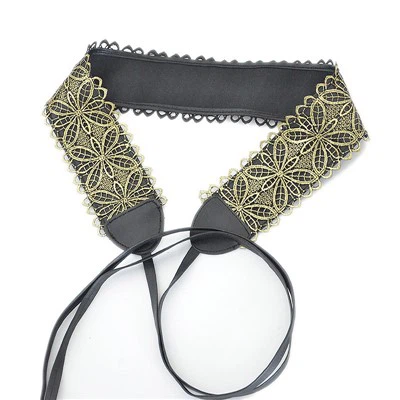
Vintage Black Silk Waistband
Comfortable Glitter Silk Waistband
Brown Elastic Silk Waistband
Vintage Black Silk Waistband

Silk harvesting
The process begins with the harvesting of silk fibers. Silkworms spin silk cocoons, and these cocoons are carefully harvested. There are various types of silk, such as mulberry silk, wild silk, and tussah silk, each with its unique characteristics.


Silk reeling
The harvested silk cocoons are subjected to a process called silk reeling. This involves unwinding the silk fibers from the cocoons. The silk filaments are then twisted together to form a thread.


Dyeing
The silk thread may undergo a dyeing process to achieve the desired color. Dyeing can occur at different stages of the production process, depending on the manufacturer's preferences.


Weaving or knitting
The dyed silk threads are woven into fabric or knitted to create the material for the waistband. Weaving involves an intricate process of interlacing threads on a loom, while knitting creates a fabric by interlocking loops of yarn.


Cutting
The woven or knitted silk fabric is then cut into strips or pieces based on the design and dimensions of the waistband.


Design and embellishments
If the silk waistband is designed to have embellishments, such as embroidery, beading, or other decorative elements, this is the stage where these additions are incorporated.


Assembling
The individual components of the waistband, including any closures or fastenings, are assembled. This may involve stitching the pieces together or attaching additional elements such as hooks, buttons, or snaps.


Quality control
The assembled waistbands undergo thorough quality control checks. This ensures that the final product meets the manufacturer's standards in terms of appearance, durability, and overall quality.


Finishing
The finished silk waistbands may undergo additional finishing processes, such as pressing or steaming, to ensure a polished and refined appearance.


How to Choose Silk Waistband


Garment type
Consider the type of garment the silk waistband will be used for. Whether it's a dress, skirt, pants, or another garment, the style and design will influence the choice of the waistband.


Width and thickness
Decide on the width and thickness of the silk waistband based on the overall design and aesthetic of the garment. A wider waistband may provide more support and make a bolder statement, while a narrower one may be more subtle.


Color and pattern
Choose a color that complements or enhances the overall color scheme of the garment. Consider whether a solid color, patterned, or textured silk waistband would best suit the style of the garment.


Fabric weight
Match the weight of the silk waistband to the weight of the garment fabric. A heavier fabric may require a sturdier waistband, while a lighter fabric may pair well with a more delicate waistband.


Closure type
Determine the closure type that suits your preferences and the garment design. Common closure options include zippers, hooks, buttons, or elastic. Choose a closure type that aligns with the style and functionality you desire.


Elastic insertion
Consider whether you want an elastic element in the waistband for added comfort and flexibility. An elastic insert allows for some stretch and can contribute to a better fit.


Embellishments
Decide if you want any embellishments on the silk waistband, such as embroidery, beading, or decorative stitching. Embellishments can enhance the visual appeal and add a touch of sophistication.


Fit and sizing
Ensure that the silk waistband is the right size for your measurements. A properly fitted waistband provides comfort and prevents issues like stretching or discomfort. Check the sizing chart provided by the manufacturer.


Comfort
Consider the comfort of the silk waistband, especially if it will be worn for extended periods. Look for features such as a smooth inner surface, soft edges, and any additional comfort elements.


Durability
Assess the durability of the silk waistband, especially if it will be subjected to frequent wear. Reinforced seams and high-quality stitching contribute to the longevity of the waistband.


Style compatibility
Ensure that the style of the silk waistband complements the overall style of the garment. Whether your garment has a casual, formal, or trendy look, choose a waistband that enhances the overall aesthetic.


How to Maintain Silk Waistband
 

Hand wash or delicate cycle
Hand washing is often the preferred method for cleaning silk. Use a mild detergent specifically formulated for delicate fabrics. Alternatively, if the care label allows, you can use a washing machine with a gentle or delicate cycle.


Cold water
Wash the silk waistband in cold water to prevent color fading and protect the delicate fibers. Avoid hot water, as it can cause silk to lose its luster and may lead to shrinkage.


Avoid agitation
Be gentle when washing silk. Avoid excessive rubbing, twisting, or wringing to prevent damage to the fibers. Agitation can cause silk to stretch or lose its shape.


Air dry
Air drying is the best method for drying silk. Lay the waistband flat on a clean, dry towel, and reshape it to its original dimensions. Avoid hanging silk, as the weight of the water can cause stretching.

Soft and Long Strap Waistband


Tight Strap Waistband for Skirt

Avoid direct sunlight
When drying silk, avoid direct sunlight, as exposure to sunlight can cause colors to fade over time. Dry silk in a shaded area or indoors.
Ironing

If ironing is necessary, use a low heat setting or the silk setting on the iron. Iron the silk on the reverse side, or place a clean cloth between the iron and the silk to protect it from direct heat.

Storage
Store garments with silk waistbands in a cool, dry place, away from direct sunlight. Use padded hangers for silk garments to maintain their shape. Avoid hanging silk for extended periods, as this can lead to stretching.

Avoid contact with rough surfaces
Be mindful of the surfaces against which the silk waistband comes into contact. Avoid rough or abrasive surfaces that could snag or damage the delicate silk fibers.

Spot cleaning
If there are localized stains or spots on the silk waistband, use a mild detergent and a clean, damp cloth to spot clean. Blot the stain gently; do not rub vigorously.

Professional cleaning
For complex or valuable silk garments, consider professional dry cleaning. Inform the dry cleaner about the silk waistband and any embellishments to ensure proper care.

Check seams
Periodically check the seams and stitching of the silk waistband for any signs of wear or loosening. Promptly repair any loose threads or seams to prevent further damage.


FAQ
 

Q: What is a Silk Waistband?

A: Silk waistband is a strip of silk fabric designed to be worn at the waist of clothing, providing both aesthetic appeal and functionality. Silk, known for its luxurious feel and elegant sheen, adds a touch of sophistication to any garment.

Q: What Makes Silk Waistbands Special?

A: The specialty of silk waistbands lies in their smooth texture, natural breathability, and the way they can drape beautifully against the skin. Silk is also known for its hypoallergenic properties, making it suitable for those with sensitive skin.

Q: In Which Clothing Items Can You Find Silk Waistbands?

A: Silk waistbands are commonly found in skirts, trousers, dresses, and even some types of outerwear. They are particularly popular in women's fashion but can also be found in men's formal wear.

Q: How Do I Care for a Silk Waistband?

A: Caring for a silk waistband involves gentle handling. It is recommended to hand wash or use a delicate cycle in cold water, avoiding harsh detergents. After washing, the waistband should be air-dried flat to prevent stretching.

Q: Can Silk Waistbands Be Ironed?

A: Silk waistbands can be ironed on a low setting. It's best to place a thin piece of muslin or a pressing cloth between the iron and the silk to protect the fabric.

Q: What Size Should My Silk Waistband Be?

A: The size of a silk waistband should correspond to the measurement of your natural waist. It should fit snugly but not be too tight, allowing some room for comfort and movement.

Q: How Do I Attach a Silk Waistband?

A: Attaching a silk waistband typically involves sewing it onto the garment. It's crucial to ensure the seams are straight and the elasticity is evenly distributed for the best fit.

Q: Can Silk Waistbands Be Altered?

A: Once a silk waistband is sewn into a garment, altering it can be challenging without damaging the fabric. If alterations are necessary, it's advisable to seek the assistance of a skilled tailor or seamstress.

Q: Are Silk Waistbands Durable?

A: Silk waistbands can be durable if cared for properly. However, they may show signs of wear over time, especially with frequent use or improper care.

Q: Can Silk Waistbands Stain Easily?

A: Silk is a protein fiber and can indeed stain easily. It's important to treat spills promptly and avoid contact with substances that could cause permanent marks, such as certain cosmetics or ink.

Q: What Colors and Patterns Do Silk Waistbands Come In?

A: Silk waistbands come in a wide array of colors and patterns, ranging from solid hues to intricate floral designs or geometric prints. The choice often depends on current fashion trends and the overall design of the garment.

Q: How Do I Match a Silk Waistband with Clothing?

A: Matching a silk waistband involves considering the color, pattern, and style of the garment. It should complement the existing design without clashing. For solid-colored garments, a contrasting or coordinating silk waistband can add interest.

Q: Can Silk Waistbands Be Used for Plus-Size Clothing?

A: Silk waistbands can be used in plus-size clothing, but extra care must be taken to ensure they provide adequate support and comfort. Wider waistbands or those with added stretch may be more suitable for larger sizes.

Q: Are There Any Health Concerns with Wearing Silk Waistbands?

A: Generally, silk waistbands do not pose health concerns. However, some individuals may be allergic to silk proteins. If you have known allergies, it's essential to test the fabric before wearing it extensively.

Q: How Do I Incorporate Silk Waistbands into My Professional Wardrobe?

A: For a professional look, choose silk waistbands in neutral colors that match your office attire. They can add a touch of elegance to a suit or a pencil skirt, enhancing your professional image.

Q: Are Silk Waistbands Environmentally Friendly?

A: Like many textile products, the environmental impact of silk waistbands depends on the farming practices, manufacturing processes, and disposal methods. Sustainable silk production methods are emerging, focusing on reducing the carbon footprint and minimizing waste.

Q: Can Silk Waistbands Be Worn in Hot and Humid Weather?

A: Silk waistbands can be worn in hot and humid weather, but they may become less comfortable as they absorb moisture. Opting for lighter silk varieties or those treated for enhanced breathability can help.

Q: How Do I Identify Genuine Silk Waistbands?

A: Genuine silk has a distinctive feel, sheen, and drape. It can be tested using the burn test method, where a small thread is burned and genuine silk will smell like burnt hair and leave a fine, ash-like residue.

Q: Can Silk Waistbands Be Dry Cleaned?

A: Silk waistbands can be dry cleaned, which is often the preferred method to maintain their quality and longevity. Always follow the care instructions provided by the garment manufacturer.

Q: Can I Wear Silk Waistbands Every Day?

A: Silk waistbands can be worn every day, especially in garments designed for regular wear. However, for those with sensitive skin, it's important to ensure the waistband is cleaned regularly to prevent irritation.

We're well-known as one of the leading silk waistband manufacturers and suppliers in China. Please rest assured to buy cheap silk waistband made in China here from our factory. For price consultation, contact us.

Vintage Black Silk Waistband, Brown Elastic Silk Waistband, Silk Waistband
goTop

(0/10)

clearall