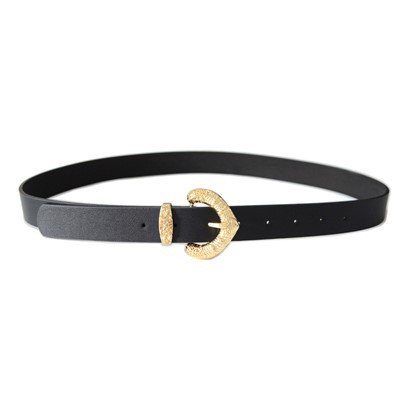
Q: Does faux leather last?
A: Faux leather does not last nearly as long as real leather, and unfortunately, when it begins to wear out, it does not wear out attractively. It’s much cheaper than real leather, though, which is good-because you’ll be replacing it regularly.
Q: What's the best alternative to faux leather?
A: Don't want to mess with faux leather? We don't blame you.Real leather is not only durable, but has a unique rustic look that can’t be mimicked. Learn more about full grain leather and why it's a great investment. Unlike faux leather, our real leather products can be conditioned and cleaned to last for decades to come.
A: Faux leather is obviously designed to look like real leather, but the surface of synthetic leather is uniform. (A very regular, even texture pattern is a sign that it’s a machine-made piece.) Faux leather also feels cold and unnaturally even compared to real leather. When you press your finger into the surface of faux leather, rather than stretching or wrinkling like real leather, the synthetic material simply depresses under your finger while still retaining its shape. Because of the chemicals used in its production, faux leather can also smell like plastic. (If you smell a plasticky, chemical odor, you can bet the leather is synthetic.)
Q: What are fake leather belts made of?
A: Polyurethane is currently more popular for use than PVC. The production of some artificial leathers requires plastic, with others, called plant-based leathers, only requiring plant-based materials; the inclusion of artificial materials in the production of artificial leathers notably raises sustainability issues.
Q: What material is used for faux leather?
A: The two plastics most commonly used in synthetic leather production are polyurethane (PU) and polyvinyl chloride (PVC), and while the processes used to make these two plastics are somewhat different, the processes of binding these plastics to their underlying fabrics are highly similar.
Q: What are leather belts made out of?
A: Most belts sold in the world are made from leather, and most of them are made of thick, solid cow hide. Cow hide is stable, available in sufficient quantities, and cattle hides are large enough to produce belts with a waist size of 1.7 metres.
Q: What is the difference between faux leather and fake leather?
A: The leather was created from polyurethane which is a plastic that has a similar feel and aspect to leather without harming any animals. The PU is an artificial material that does not involve animals and that is the main point of its product. While faux leather was created with a fabric base with such as polyester.
Q: Which type of leather is best for a belt?
A: Full-grain leather is the best quality and most durable and is the best leather for belts. The material maintains its natural character and develops a beautiful leather patina as it ages. Corrected grain leathers also make good quality belts, but they are less unique.
Q: Are faux leather belts good?
A: While synthetic and bonded leathers can be produced cheaply and quickly, they ultimately last nowhere near as long as real leather. That cheap faux leather bag or bonded leather belt may look nice when you first buy it, but they'll fall apart quickly.
Q: Is faux leather hard to maintain?
A: Faux leather is typically easy to maintain. Wiping with a soft fiber cloth soaked in a solution of water and mild detergent or liquid soap thoroughly once in a while is sufficient. It helps remove grime, dirt, and build-up of debris on the surface of faux leather.
Q: Which material belt is durable?
A: One of the biggest advantages of leather belts is their durability. Leather is a tough material that can withstand wear and tear, making it ideal for everyday use. It also gets better with age, developing a patina that adds character to the belt.
Q: What belt is better leather or nylon?
A: The main difference between leather and nylon belts is that leather belts offer more support, especially when worn for heavy compound exercises. Nylon belts tend to be less expensive and offer versatility and unrestricted movement while performing dynamic exercises like Olympic lifts or various Crossfit movements.
Q: How do you know if a belt is good?
A: Here are tips for inspecting belts:
Look for cracks, fraying, or splits on the top cover.
Look for signs of glazing on the belt's sides. Glazed or slick belts can slip, overheat, or crack.
Twist a serpentine belt to look for separating layers, cracks, or missing chunks of the grooves on the underside.
Q: Are thin or thick belts better?
A: Long waist: Wide belts worn on the narrowest part of your waist help shorten the body, enhance your silhouette & create an hourglass figure. Short waist: Thin belts will work best because a wider belt can make your torso seem shorter.
Q: What are luxury belts made of?
A: Designer belts are made from the best materials, quality leathers and metal hardware that doesn't discolour or rust. Also, so many are made reversable so you have two belts in one. Since they last for many years they are indeed a worthy investment.
Q: What is the difference between genuine and synthetic leather belts?
A: Leather belts are often considered more durable and can develop a unique patina over time, while synthetic belts may offer greater resistance to water and stretching. Consider factors such as style, comfort, and environmental impact when making your decision.
Q: How do I choose a durable belt?
A: A high-quality belt should be made of leather, suede, or canvas; these materials are versatile and durable. When choosing a belt, inspect the material carefully and check for any signs of wear or damage. Don't buy a belt with tears or frayed thread.
Q: How do you tell if a belt is real or fake?
A: Price: Genuine leather belts are generally more expensive than synthetic or faux leather belts. Texture and Grain: Real leather has a unique texture and grain pattern. Flexibility and Softness: Real leather belts are known for their flexibility and softness.
Q: Which is better faux leather or synthetic?
A: PU fabric has a shiny surface and is soft to the touch. However, this synthetic material will not last as long as faux leather. Pu leather wear down much easier, the top layers begin to crack and tear. Faux leather is a much better quality lamination which lasts considerably longer and rarely becomes warped or cracked.
Q: Is faux leather durable?
A: Faux leather is much less durable than real leather. It tends to crack and peel over time, with poor quality pieces losing their original finish in just a few months. Because faux leather is manmade, this peeling and cracking can't be undone, and your sofa will continue to degrade over time.