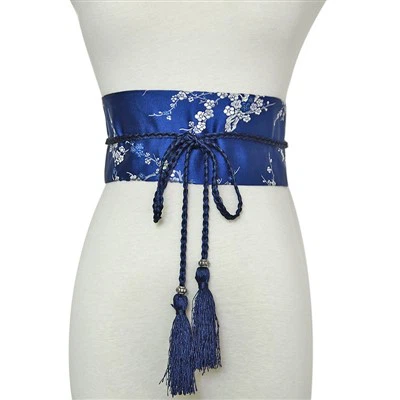
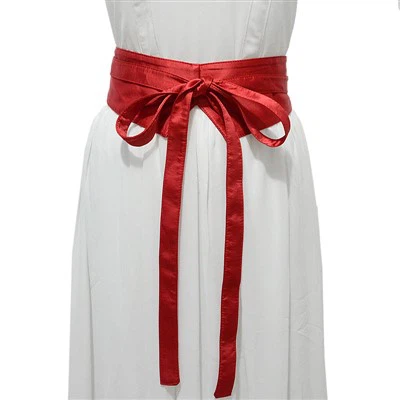
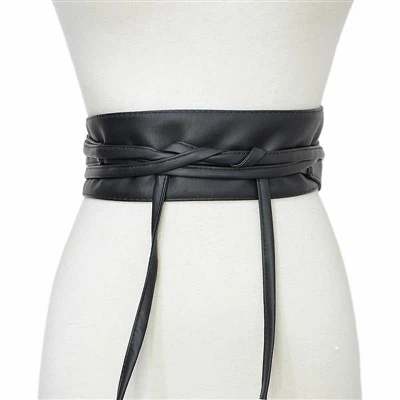
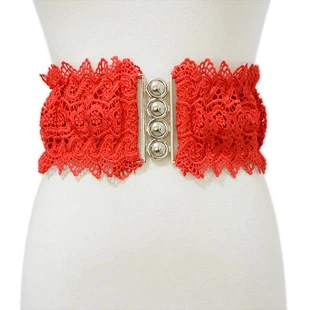
Yiwu Shengying Trading Co., Ltd.

Waistband

 
Your Professional Waistband Manufacturer in China!
 

Yiwu Shengying Trading Co., Ltd. was founded in 2010 and is an integrated industry and trade company with over ten years of experience in leather production. The company specializing in the production and processing of belts, men's belts, women's belts, leather belts, waist chain, pearl belt, vintage belts and other products.

01/

Accept OEM & ODM

We have manufactured thousands style of belts. We accept custom order (i.e., OEM/ODM, Private Label, etc.). Develop into a pattern and then a sample according to your tech pack, design draft or sample. Wholesale in bulk is also acceptable.

02/

Advance Technology

The main production technologies and processes include: strict quality control on all the raw materials, drying and decontaminating on fabrics, strict inspection and process control of all procedures, the use of a number of art programmable machines and other program controlled machines, metal detection of all semi-finished products and finished products, and use of dehumidifying technology.

03/

Complete Qualifications

With more than 13 years development, we have achieved the great hornor for ISO 9001 cert., RoHS cert., Amfori BSCI audited, Sedex audited and more. All our products are manufactured under guidance of ISO9001:2000, also we can pass as below report standards on request: Ferus Free, Nickel Free, Led Free, Cadmium Free and M&S and OKEO TEX Standards.

04/

Design Development Center

We have a professional design team that uses a lot of modern technology to develop new styles and designs, and we only select the best materials and leathers to ensure our success. Having selected the materials you wish to work with, our factory have all the equipment necessary to fabricate all types of leather goods right away.
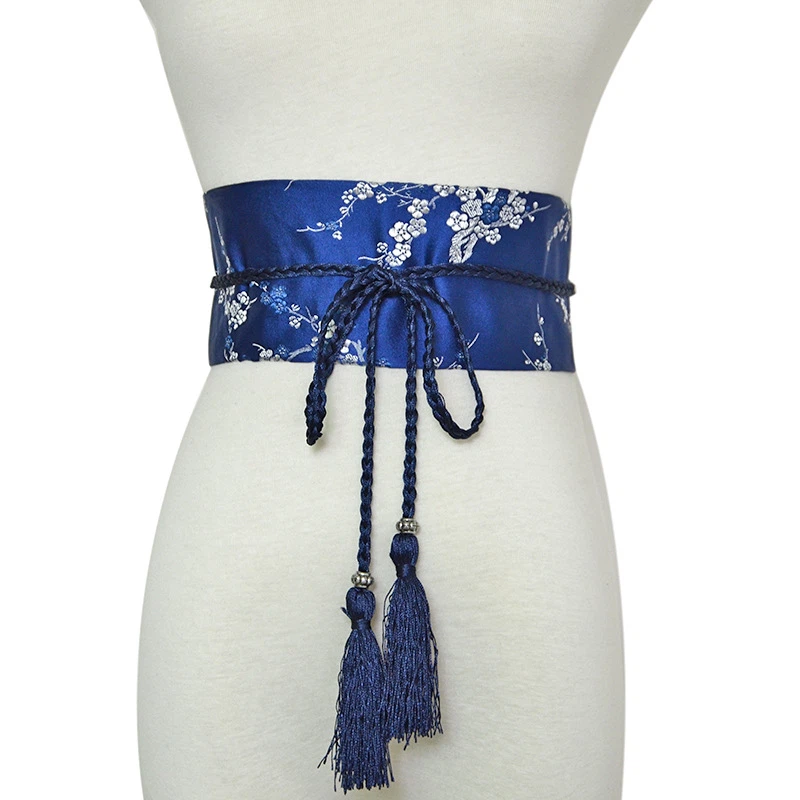
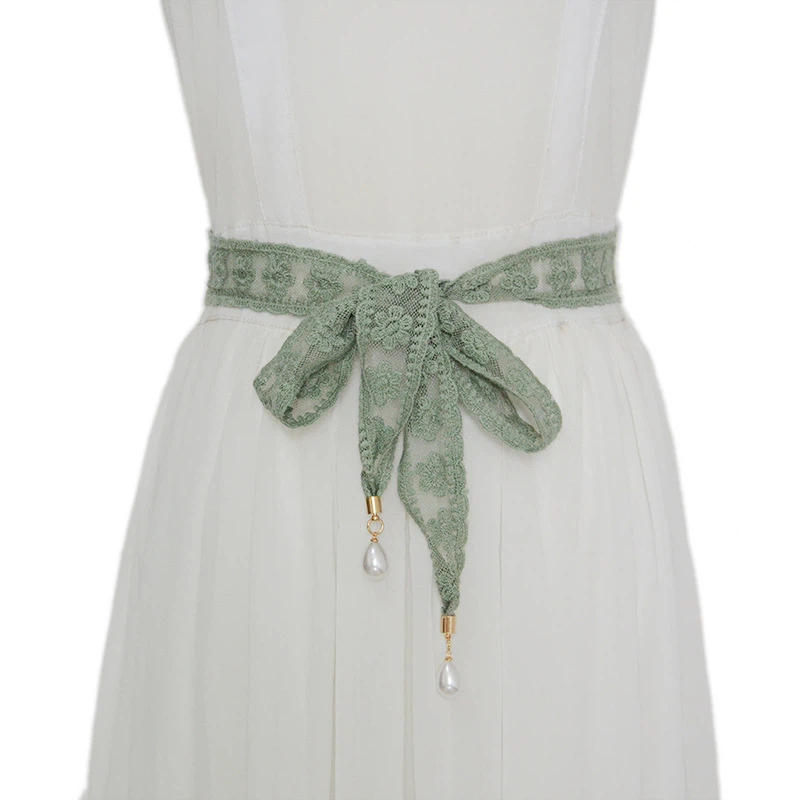
First 12 Last 1/2
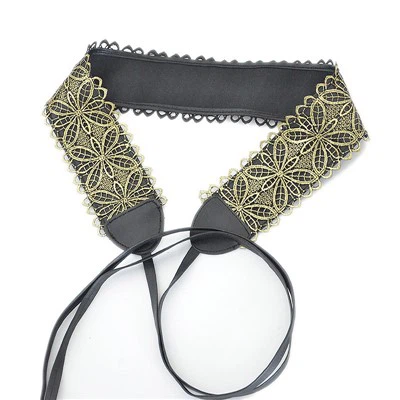
Soft and Long Strap Waistband


What is Waistband?

A waistband is a strip of material that is either elastic or some other confining fabric that encircles the waist, usually as a component of clothing such as skirts, trousers, shorts, swimsuits, and undergarments. A waistband can be a complete undergarment, worn to limit expansion of the abdomen, to meet various objectives including to help prevent overeating, to encourage mindful eating, to encourage good posture, or to immediately slim the appearance of the waist (much like a corset, also sometimes called a waist cincher, or girdle).

Features of Waistband


Material

The elastic band is made of polyester fiber, durable and gives you a comfortable and breathable feeling, and it can be shortened into the length you want, convenient to apply.

Good Elasticity

The elastic band in the range of allowable tensile elastic deformation, can easily restore the original length without deformation.

Use

Elastic band will be your good choice for skirts, pants, waist band, underwear etc.

Available

3/4 inch, 1/2 inch, 1 inch, 1 1/4 inch, 1 1/2 inch, 2 inches and more.


Types of Elastic and Suitable Uses


Elastic Type

Description

Suitable Uses

Wide, sturdy elastic

Wide, thick elastic with minimal stretch

Waistbands, cuffs, and hems on sturdy garments

Thin, stretchy elastic

Thin, stretchy elastic with high stretch factor

Waistbands on lightweight, stretchy garments

Lace elastic

Sheer, stretchy elastic with decorative scalloped edges

Waistbands on lingerie or other delicate garments

Elastic cord

Thin, non-stretchy cord that can be used in combination with cord locks or toggles

Drawstrings, laces, and other adjustable closures


Benefits of Waistband

●Elastic waistbands allow improved blood circulation that constricting clothes with zippers and buttons do not allow.


●Elastic waistbands are great for breathability. They somehow have a positive effect on your mental and physical health.


●Wearing constricting and tight clothes daily sometimes results in severe health problems. Tight clothes restrict the proper blood flow, pressure the stomach, and restrict breathing, which may trigger health issues like heartburn, etc.


●An elastic waistband in clothes allows better breathability and blood circulation that, in return, makes your body more comfortable and relaxed along with a clear and fresh mind.


●Elastic waistbands are stylish and appeal to clothes without compromising comfort.


●An elastic waistband allows you to move freely while still looking fashionable.


●Elastic waistband boost confidence, comfort, and mood.

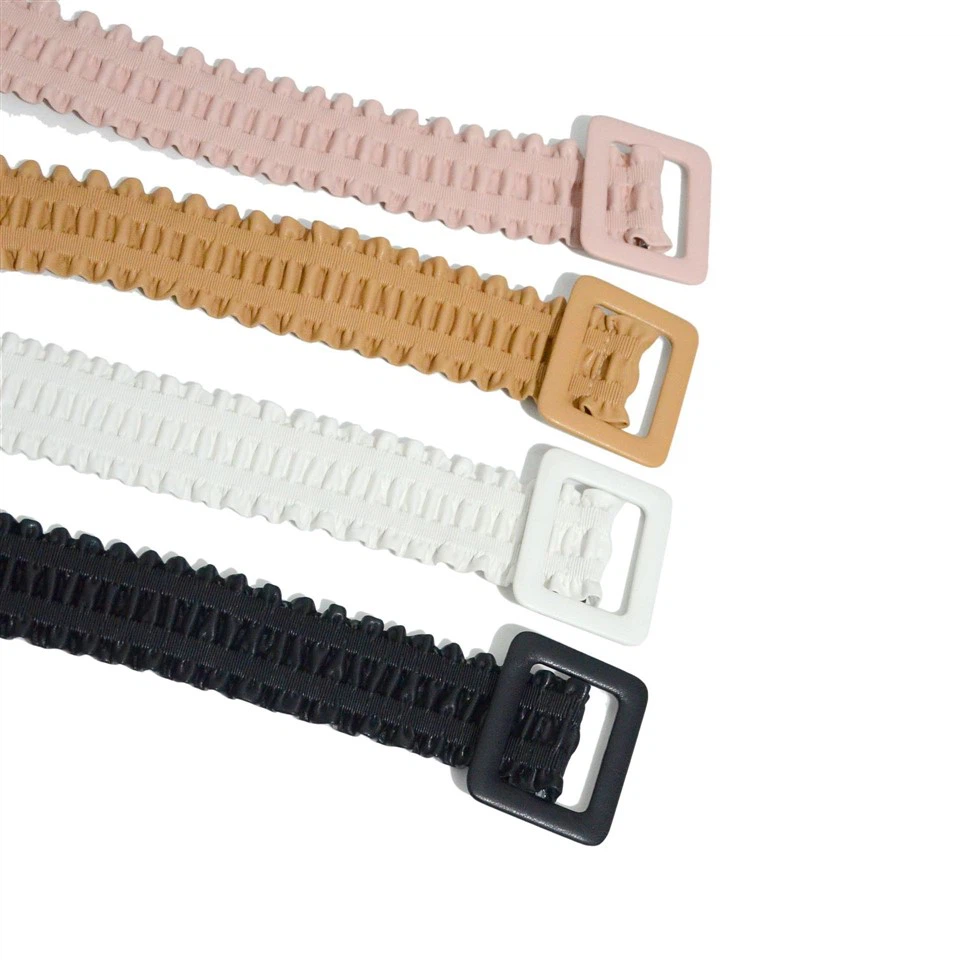
Tight Strap Waistband for Skirt

Different Waistband Types


Elastic Waistbands
This type is very common in pyjamas, trousers, pants, and other apparel. Elastic waistbands are breathable and stretchable and allow you to move freely, offering all-around comfort. This waistband is stylish, appealing, and comfortable.


Drawstring Waistband
Some waistbands come with a drawstring, with or without elastic. Drawstrings can be loosened or tightened, depending on the perfect fit. It is often used in casual pants and loungewear. For example, this Shyaway full-length pyjama pant comes with an elasticized drawstring waistband for a relaxed fit.


Hook or Button Closure
Buttons, zippers, brooches, buckles, clasps, and frog closures are other popular alternatives to the traditional elastic waistband and drawstring.


Width
The waistband width can vary based on the purpose and style of the garment. A wider waistband offers more comfort and support, while narrower ones are visible in sleek designs. You must choose the waistband according to your waist size. Your waistband should fit well enough so that you don’t need a belt at all.


Rise
The rise of the waistband defines how high it sits on your waist. There are three main types of rise: high-rise, mid-rise, and low-rise. The high-rise sits above the normal waistline. A mid-rise sits between the hips and the natural waistline. But a low-rise sits closer to your hips and below the waistline.


Stretch Waistband With Elastic
You can find waistbands with elastic on kids clothing, women nightwear, lingerie or sport wears as they are very comfortable and provide enough room for movement. The elastic is to the edge of the waist.


Folded Bound Waistband
Waistbands with folded bound is the easiest waist band that you can make, as you just need to fold one of the band edge over and stitch to give a neat edge. It is made to have a narrow waist.


Two-Piece Waistband
A two piece waistband allows for a better fit especially on trousers for women as it is made with more curves.


Ribbon Faced Waistband
You can make a faced waistband with ribbon or without. The ribbon will make a decorative finish to the waistline. Faced waistband is made with facing to the waistline. Sew the facing to the inside or outside of skirt, depending on how you want the garment to look. When the facing is inside, the raw edges are not visible and this reduces bulk. Ribbon faced waist band is comfortable to wear, the band is not so tight around the waist.


Couture Waistband
Couture waistband is made in a tailored and stylish way to look professional and comfortable.

How to Attach a Waistband
 

Ribbon Waistband
You will need a piece of ribbon slightly longer than the distance around your waist and 5 – 6 cm wide.
Fold the ribbon in half lengthways. You will need to crease it so you could iron it, but pressing it with your finger will probably do the job well enough.
Fold the ribbon in half widthways to find the middle.
Starting opposite the zip and with the middle of the ribbon, put the ribbon over the raw edge at the waist and pin.
Carefully top stitch the ribbon to the skirt. Leave a couple of cm either side of the zip.
Fold the raw edges of the ribbon underneath so that they match up with where the fabric of the skirt joins the zip. Sew in place.


Fabric Waistband
Cut a piece of fabric as long as the distance round your waist plus a bit extra, and about 10 cm wide. You might need to join 2 pieces together, that’s fine. If the fabric is quite lightweight or creases very easily, you might want to add some fusible interfacing to make it a bit thicker.
Fold the fabric in half lengthways and press it, either with the iron or with your finger. Open it out, then fold the raw edges into the middle. Press again.
Start opposite the zip and with the middle of the waist band. Pin the edge of the waistband to the wrong side of the fabric so that the raw edges are together and the right side of the waistband is next to the wrong side of the fabric.Sew all the way round, leaving a couple of cm either side of the zip. If you need to finish the raw edges, now is the time to do it!
Fold the waistband over the top of the skirt and fold the edge back under. Pin, then top stitch round the waist again. still leaving a couple of cm at the zip.
Fold the raw edges underneath so that the edge of the waistband is aligned with where the skirt meets the zip.


Bias Binding Waistband
To make a waistband using bias binding, you will find it easier and probably more comfortable if you use wide bias binding.
The process is exactly the same as the one above, except that you don’t have to faff about with folding in the raw edges! Just cut it to the right length, then fold the bias binding in half lengthways.

How Elastic Bands Work and How to Take Care of Them so They Last
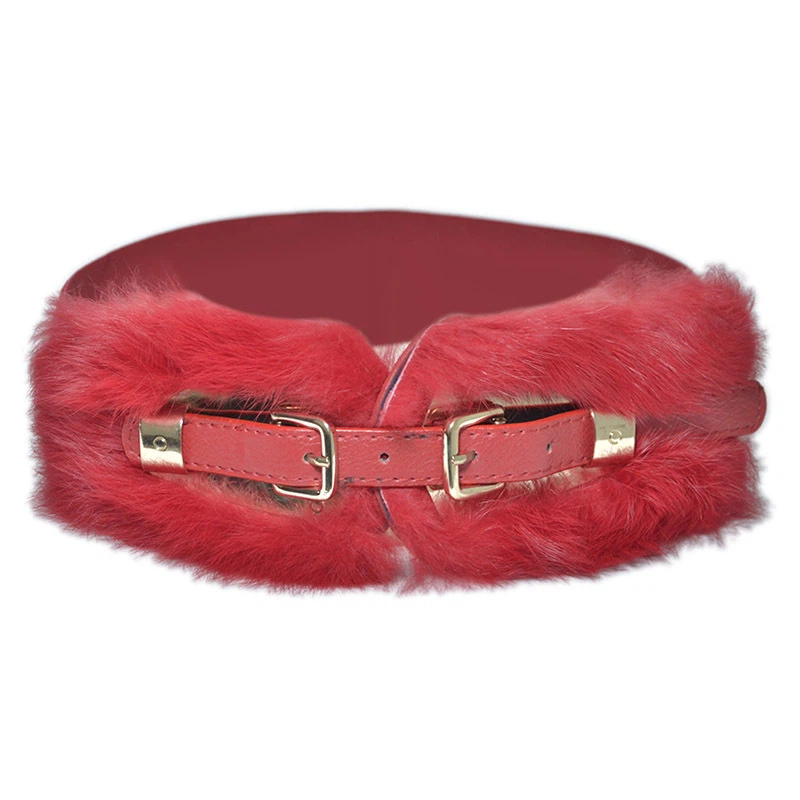
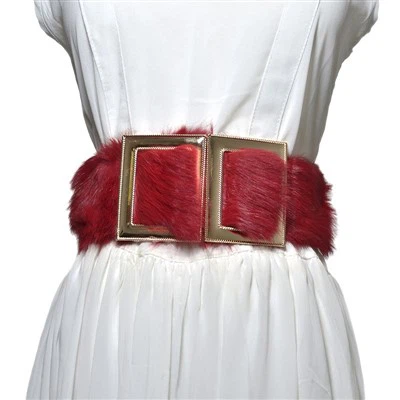
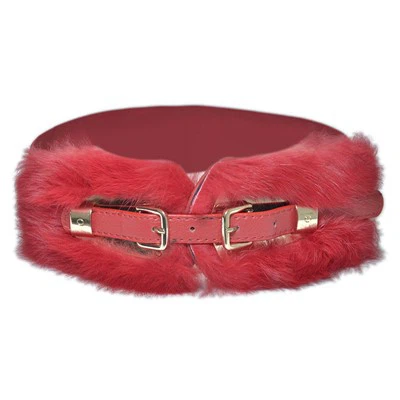
Soft Vintage Plush Waistband for Girls


The Inner Workings of Elastic Bands

The latex or spandex is the stretchable component inside the elastic strips. This component needs to be woven into the other non-stretchable materials inside the strips. It is the weave that makes it possible for the latex to expand and contract while it interacts with the non-stretchable material that is present. Without this special weaving being utilized by the manufacturers of the elastic strips, their ability to stretch out and return would be severely inhibited.

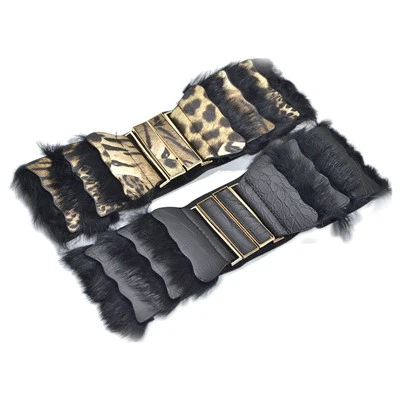
4cm Wide Animal Print Belt


Increasing the Longevity of the Elastic Strips Present in your Garments

Both the latex and spandex in the elastic strips that are used today can last for years, but if they are not properly cared for, they can lose their ability to remain flexible. It all depends on how the person treats the garments when they are worn and washed.
The most damaging thing a person can do to a garment that has elastic strips is to add bleach when washing the item. Bleach is a basic component, which means it has a pH greater than 7. The bleach dries out the latex or spandex inhibiting its ability to bounce back once it has been stretched out. Many people use bleach when washing their clothes, especially white undergarments, but this will damage the latex or spandex that is inside the elastic waistband. Sometimes bleach is necessary for stains, but it should be used sparingly to help extend the life of your elastics.
Another factor that can diminish the lifespan of your elastics is exposing them to heat. It is best to keep your elastics out of they dryer, but even hanging them out in the sun can cause damage. It is best to hang the clothing with the elastic parts towards the ground and away from the direct sunlight. If you must use a dryer, keep it on the low heat setting. The clothing will take longer to dry, but it will help keep the bounce in your elastics.

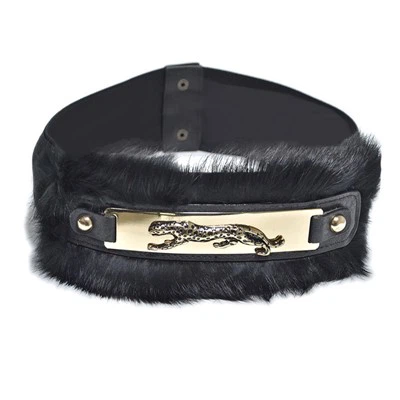
2cm Wide Suede Belt with Pattern


When it’s Time to Replace the Elastic Bands in your Garments

After so many washes, people start to notice the elastic in their clothing does not bounce back as it once did. The elastic material might even break. This happens when it becomes too dried out, and as of now, there is no known way to revitalize the elastic once it gets to this point. Unless you want to wear the now saggy clothes, it is time to replace the elastic strips. If you do not want to replace the strips, you can throw the item out and buy a new one, but the easiest thing to do is take proper care of your clothing and the elastics inside of them. This way your elastics last longer, and you can keep enjoying your clothes.


Frequently Asked Questions
 

Q: What is waistband used for?

A: Waistband is mainly used to go around the inside of the waist of men’s slacks, and is also referred to as “waist lining” and “rag concealer.” It was originally used to conceal seam margins and cut edges on the insides of slacks, but it can also be used for functions such as preventing shirts from coming out and improving comfort. Recently, a lot of attention has been focused on an invisible, fashion-conscious design, and waistband is also sometimes used in ladies’ pants and skirts.

Q: What is waistband in trousers?

A: A waistband is a narrow piece of material which is sewn onto a pair of trousers, a skirt, or other item of clothing at the waist in order to strengthen it.

Q: Can you sleep with a waistband on?

A: Wearing a waist trainer when you sleep is a bad idea because sleeping is a time for your body to recover and rest. When you sleep, the parasympathetic system (PSNS) is activated. This slows our heart and breathing rates, lowers blood pressure and promotes digestion of food for maintenance of the organs in our body.

Q: How many types of waistbands are there?

A: The different types of waistbands that you can find or sew on clothing are traditional waistband, elastic waistband, two piece waistband, folded bound waistband or couture waistband. Some of these waistbands are more fitted and comfortable to wear than others.

Q: What is a shaped waistband?

A: A straight waistband - which is a long rectangle that generally does not have side seams. A shaped waistband - which may, or may not, have side seams.

Q: How tight should waistband be?

A: The waistband should be snug but not overly tight (a good rule of thumb: You should be able to place a finger or two comfortably between your waist and the waistband).

Q: Is there a difference between waist and waistband measurement?

A: Clothing labels that call for a waist size in their measurements are actually referring to the waistband of the garment, not your natural waist measurement. It's no secret that the most flattering silhouette for a woman is the hour-glass figure.

Q: What is the most comfortable elastic for waistbands?

A: STRETCH LACE ELASTIC is soft and flexible. It conforms to the body, making it an ideal choice for waistbands and leg bands for lingerie and for making comfortable headbands.

Q: What is a flexible waistband?

A: Whereas the flex waist band is one where the actual waist band material is itself very slightly elastic, similar to the elastic waist band of an underwear.

Q: What kind of elastic for waistband?

A: Woven elastic is firm when stretched and, unlike braided elastic, does not narrow when stretched. It is great to use in skirts and pants waistbands as it doesn't overstretch and lose its shape. Woven elastic often comes in wider widths for a variety of uses and can be referred to as non-roll elastic.

Q: What are waistbands made of?

A: Underwear elastic bands are typically made of a blend of materials such as rubber, latex, or spandex, which provide the stretch and elasticity needed for a comfortable and secure fit. These materials are often combined with other fibers such as cotton or polyester to create a soft and durable waistband for underwear.

Q: What is a comfort waistband?

A: The Comfort Waist is a hidden elastic overlap in both side of the pant's waistband. So, they stretch in the waist, if you gain a little weight. It is similar to sweatpants, but looks like a regular pair of dockers or or chinos.

Q: How should a waistband fit?

A: Comfort is key. When you find the right fit in a pair of pants, you know. The waistband should be snug but not overly tight (a good rule of thumb: You should be able to place a finger or two comfortably between your waist and the waistband). The pants shouldn't be sliding down or off your waistline.

Q: How thick should waistband elastic be?

A: When choosing elastic for waistbands, the wider the better. Narrow elastic tends to dig into your body and can easily twist when inserted into a separate waistband, I recommend using elastic at least 1 inch (3 cm) wide for maximum comfort.

Q: How do you secure elastic in a waistband?

A: Grab a large safety pin and attach it to one end of your elastic. Insert the elastic into the waistband and begin to 'feed' it through the waistband casing. This 'feeding' motion can be tricky at first. You want to use your hands to feel for the safety pin and slide it along inside.

Q: What is the strongest elastic for waistbands?

A: Woven elastic is firm when stretched and, unlike braided elastic, does not narrow when stretched. It is great to use in skirts and pants waistbands as it doesn't overstretch and lose its shape. Woven elastic often comes in wider widths for a variety of uses and can be referred to as non-roll elastic.

Q: What is outer waistband?

A: OWB is short for Outside the Waistband. An OWB is a holster that goes on the outside of the waistband. A great example of an outside the waistband holster would be The International or the Paddle.

Q: What is waistband width?

A: Measure across the top of the waistband from one side of the pant to the other. The Waist Width is equal to half of the waistband's total circumference. The front of the waistband should lie directly on top of the back of the waistband.

Q: What is the best elastic for waistband casing?

A: Braided elastic has parallel ribs that run the length of the elastic. This type of elastic becomes more narrow as it stretches and loses stretch when it is sewn or pierced with needles and pins. For these reasons, braided elastic is ideal for using in casings, such as waistlines, sleeve hems, or necklines.

Q: How is elastic waistband made?

A: Elastic is made from a series of rubber (or stretchable synthetic, such as spandex) cores that are bound or wrapped in polyester, cotton, nylon or a blend of fiber threads. The exterior threads are braided, woven or knit together to create the elastic.

Q: Can I use any type of elastic for a waistband?

A: Not all types of elastic are suitable for waistbands. It is important to choose an elastic that has enough stretch to fit around your waist comfortably, but also enough support to hold the garment in place. Elastic with too much stretch may not provide enough support, while elastic with too little stretch may be too tight and uncomfortable to wear. In general, wide and sturdy elastic is best for waistbands, as it provides the necessary support and durability.

Q: Can I use a different type of fastener instead of elastic for a waistband?

A: Elastic is a common choice for waistbands because it is stretchy and easy to adjust, but it is not the only option. Other types of fasteners that may be used for waistbands include drawstrings, buttons, zippers, and snaps. These types of fasteners may be more suitable for certain types of garments or for people with special needs. However, they may also be more difficult to adjust and may not provide as much support as elastic.

We're well-known as one of the leading waistband manufacturers and suppliers in China. Please rest assured to buy cheap waistband made in China here from our factory. For price consultation, contact us.

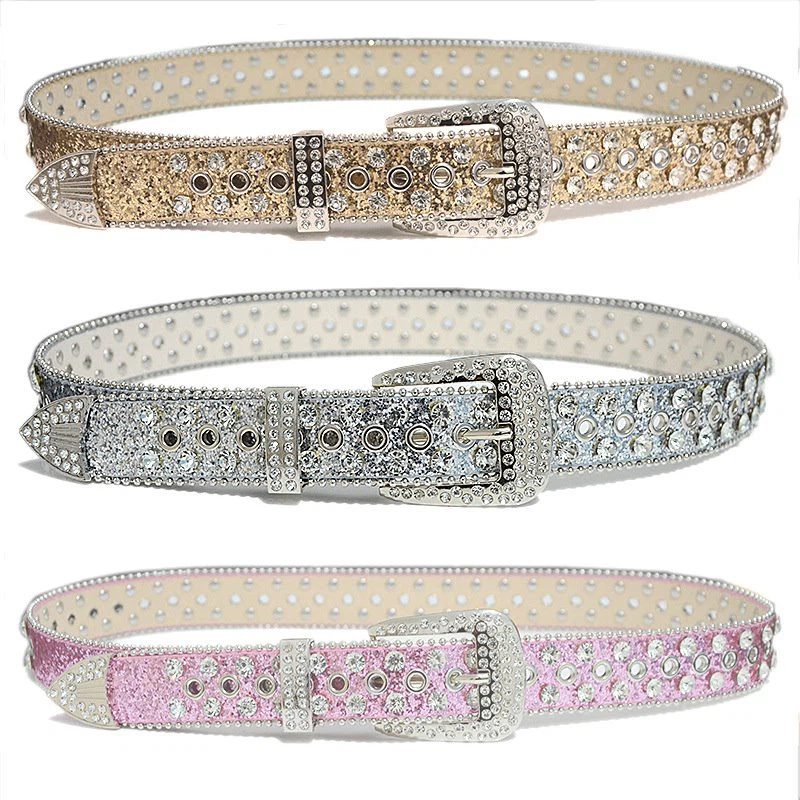
Waistband, Waist Belt, Diamond Waist Chain for Ladies
goTop

(0/10)

clearall